
How to Design a Functional Mudroom: Tips from the Pros


Understanding the Purpose of a Mudroom
A mudroom serves as the transition space between the outdoors and the interior of your home. It's designed to keep dirt, moisture, and clutter contained, making it easier to maintain cleanliness throughout the house. Prioritizing functionality in your mudroom design ensures that this area meets your household's specific needs.
Choosing the Right Location
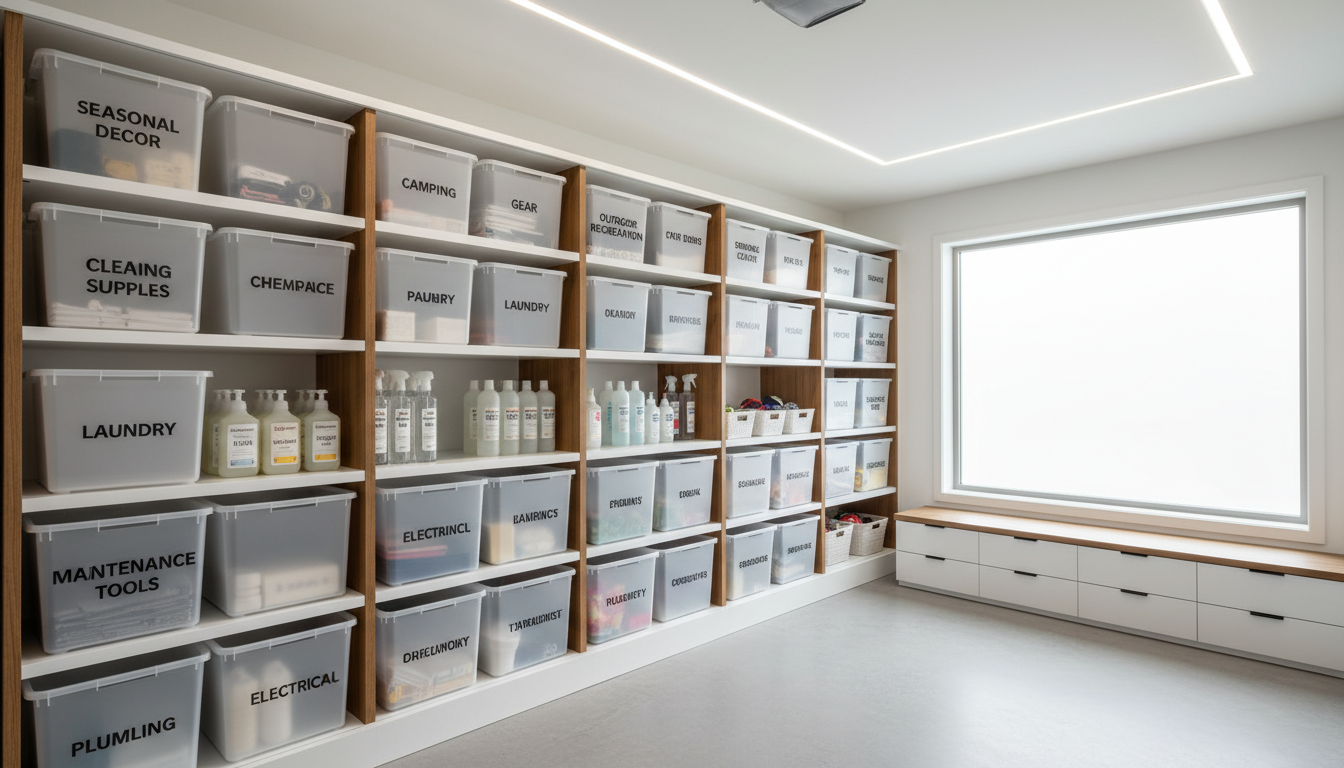
The ideal location for a mudroom is near the most frequently used entrance. Whether it's attached to the garage or the back door, having a mudroom in the right spot helps maximize its utility. Consider traffic flow and accessibility, ensuring it's convenient for everyone in the household.
Incorporating Ample Storage
Effective storage solutions are crucial in a mudroom. Opt for a combination of hooks, cubbies, and shelves to accommodate various items like coats, shoes, and bags. A well-organized space not only looks tidy but also makes it easy to find what you need quickly.
Selecting Durable Materials
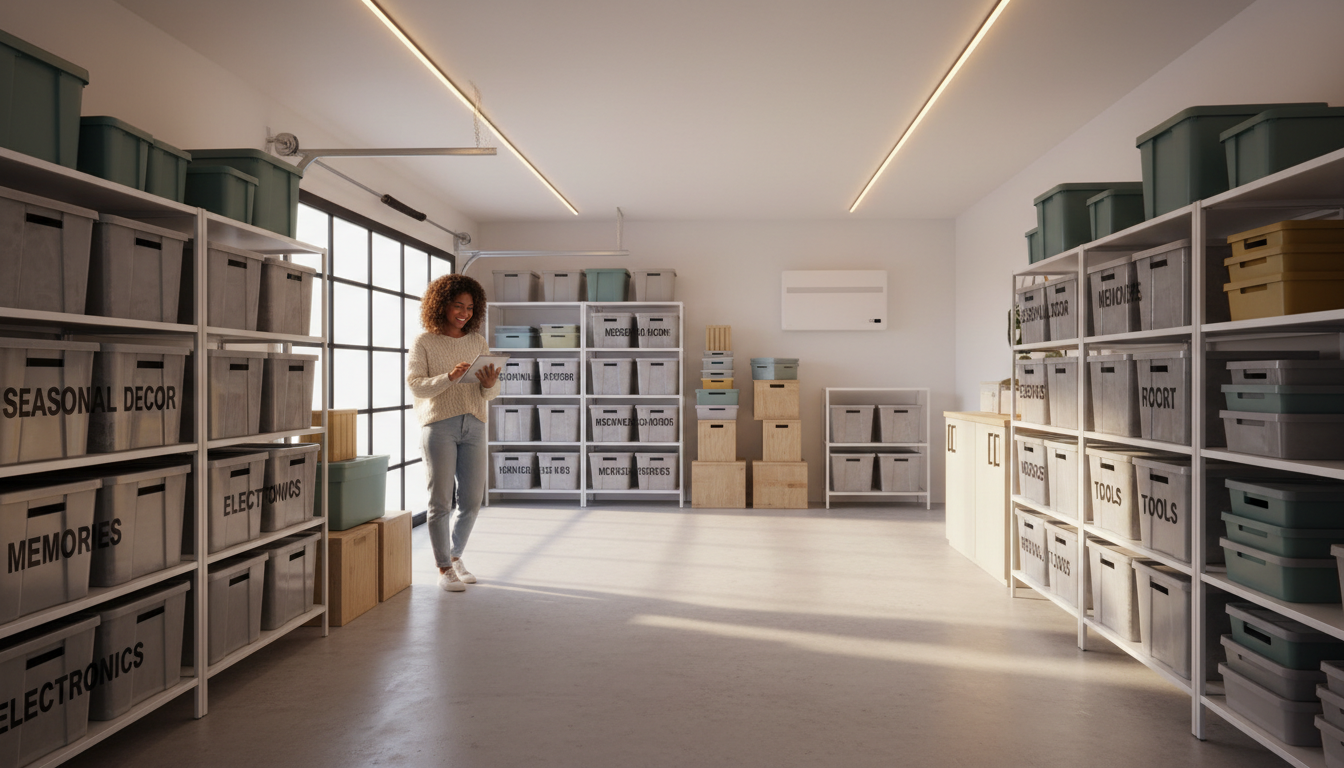
Mudrooms endure a lot of wear and tear, so selecting durable materials is essential. Choose flooring that can withstand moisture and dirt, such as tile or vinyl. For cabinetry and benches, consider materials like hardwood or laminate that are both sturdy and easy to clean.
Designing for Easy Cleaning
Functionality goes hand in hand with cleanliness. Incorporate design elements that simplify cleaning tasks. For instance, use washable rugs, install a sink for rinsing off muddy boots, and ensure there's adequate ventilation to prevent mold and mildew.

Adding Personal Touches
While functionality is key, personal touches can make your mudroom more inviting. Use color schemes that complement the rest of your home, and add decorative elements like artwork or plants. These touches can make the space feel warm and welcoming.
Lighting and Accessibility
Good lighting is crucial in a mudroom, especially if it's used during early morning or evening hours. Consider installing overhead lighting along with task lights in specific areas. Ensure the space is accessible to everyone, possibly incorporating features like lower hooks for children.
Using Multi-Functional Furniture
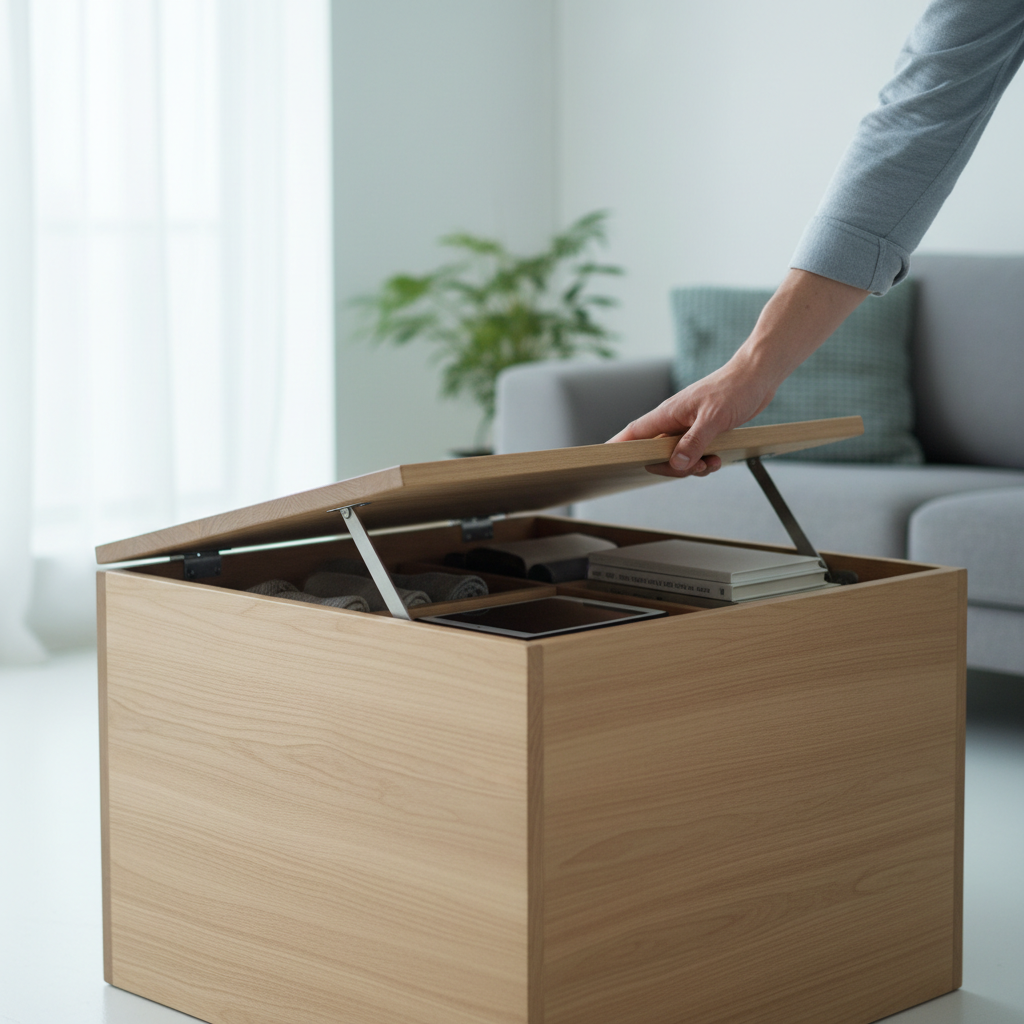
Incorporate multi-functional furniture to maximize space efficiency. Benches with storage, foldable drying racks, and convertible seating can significantly enhance the practicality of your mudroom. These solutions help keep the area organized and user-friendly.
By following these expert tips, you can design a mudroom that is not only functional but also aesthetically pleasing. A well-planned mudroom can transform this transitional space into an organized, efficient, and welcoming part of your home.