
Home Office Innovations: Designing a Productive Workspace


Creating the Perfect Home Office
As remote work becomes the norm, designing a productive home office is more crucial than ever. A well-thought-out workspace can significantly enhance productivity and comfort, allowing you to perform at your best. Whether you're setting up a new space or revamping an existing one, focusing on key elements can make all the difference.
Ergonomics: The Foundation of Comfort
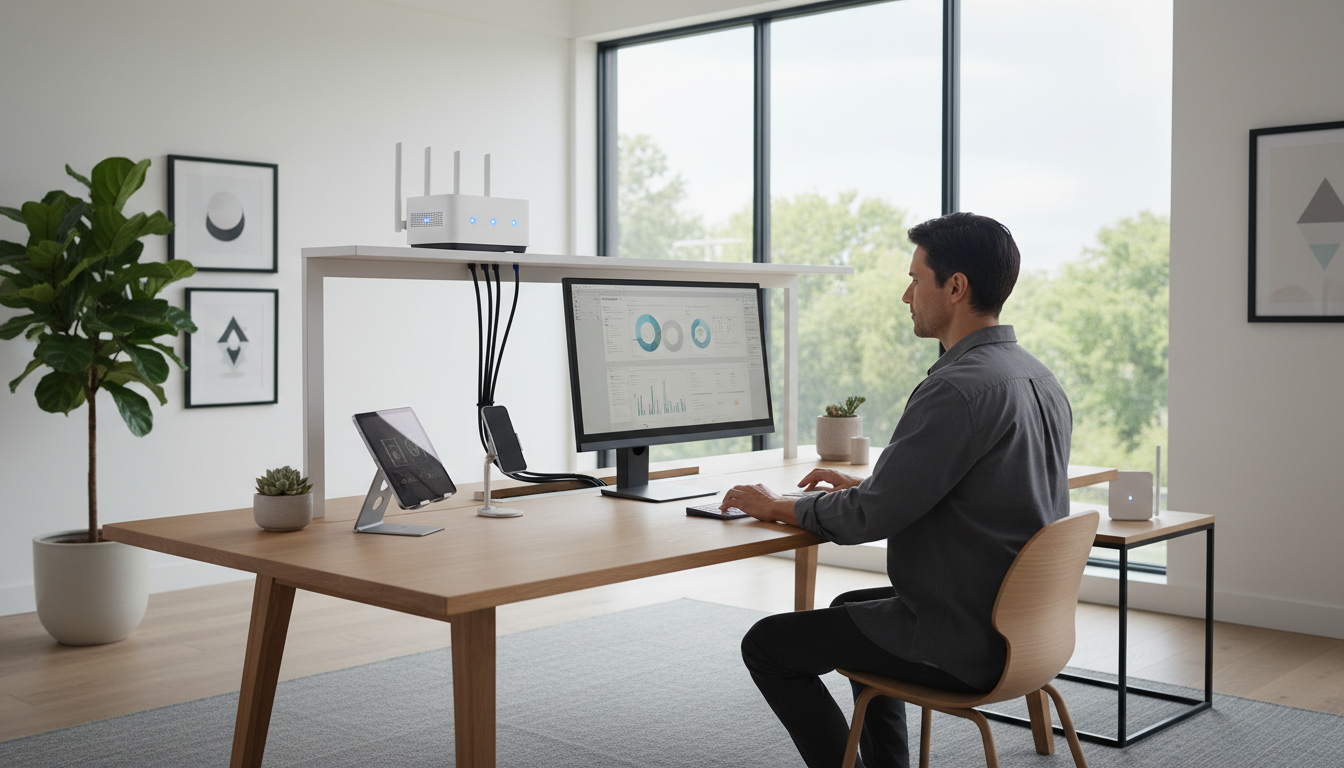
Ergonomics should be a top priority when setting up your home office. Ensuring that your chair, desk, and computer setup support your body properly can prevent strain and injury. Consider an adjustable chair with lumbar support and a desk at the right height to keep your posture aligned. These investments will pay off in the long run with improved comfort and efficiency.
Position your computer monitor at eye level to avoid neck strain. If needed, use a monitor stand or a stack of books to adjust the height. Maintaining a 90-degree angle at your elbows while typing can also contribute to a more comfortable setup.
Optimizing Lighting for Better Focus
Proper lighting is essential for a productive workspace. Natural light is ideal, as it can improve mood and energy levels. Position your desk near a window to take advantage of sunlight. If natural light isn't an option, invest in quality artificial lighting that mimics daylight.
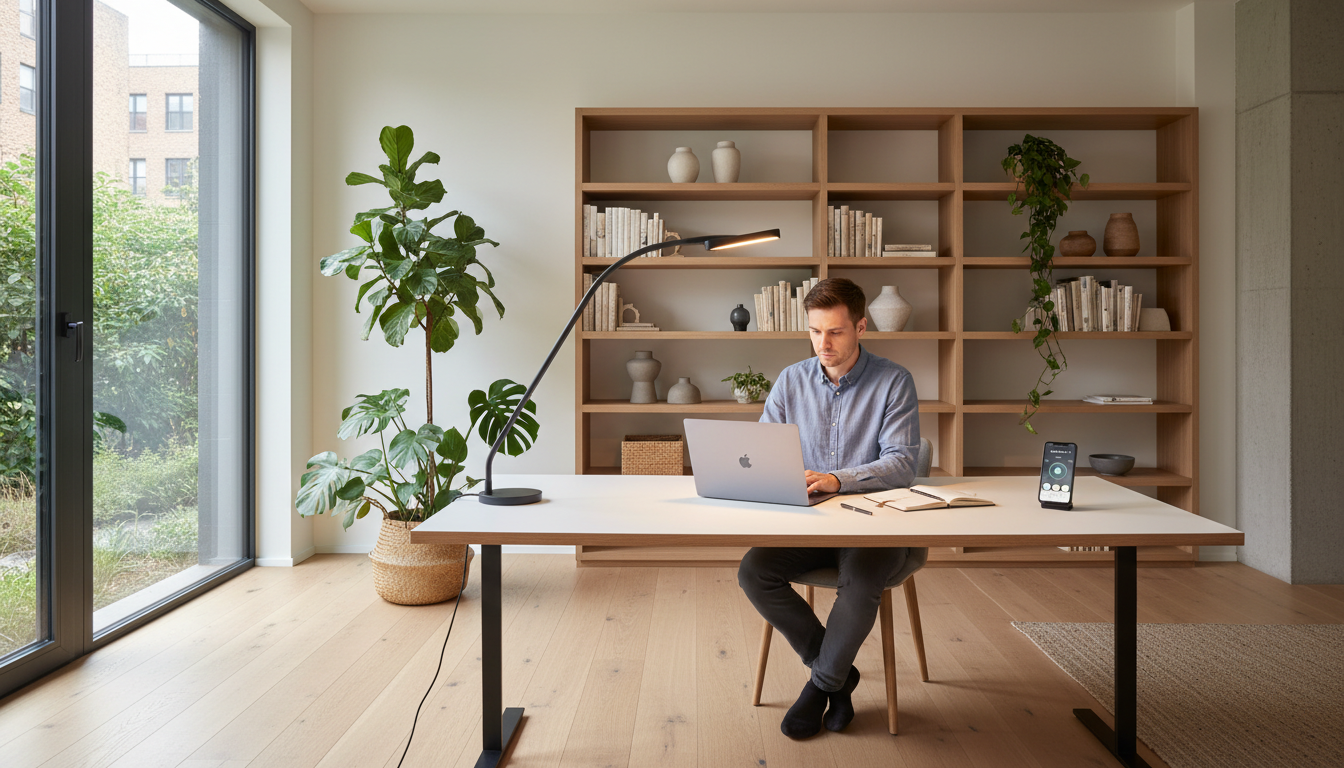
Consider using a combination of ambient and task lighting. A desk lamp with adjustable brightness can provide focused light for detailed work, while overhead lighting can illuminate the entire room evenly. Avoid harsh fluorescent lights, as they can cause eye strain and fatigue.
Minimizing Distractions
To maintain focus, it's crucial to minimize distractions in your home office. Identify potential sources of disruption and find ways to mitigate them. This could mean using noise-canceling headphones, setting boundaries with household members, or organizing your workspace to reduce clutter.
- Use storage solutions to keep your desk tidy.
- Incorporate plants to create a calming environment.
- Establish a routine to signal the start and end of your workday.
Incorporating Technology for Efficiency
Technology plays a vital role in creating a productive home office. Equip your workspace with the tools and devices that will help you work more efficiently. A reliable computer, high-speed internet, and necessary software are fundamental components.
Consider adding a second monitor if your work involves multitasking, as this can dramatically increase productivity. Utilize software tools and apps that streamline workflows and improve communication with colleagues, especially if you're part of a remote team.
Personalizing Your Space
Your home office should reflect your personality and inspire you. Personal touches can make your workspace more inviting and motivating. Add decor that resonates with you, such as artwork, photos, or motivational quotes.
While personalization is important, ensure that your workspace remains functional and free from unnecessary distractions. Striking the right balance between aesthetics and practicality can create an environment where you feel comfortable and motivated to tackle your tasks.