
Creating a Productive Home Office: Custom Solutions for Every Space


Understanding Your Space
Creating a productive home office begins with understanding the space available to you. Whether you have a dedicated room or a small corner, it's crucial to assess the area to determine how best to utilize it. Begin by measuring your space and identifying any architectural features that could influence your setup.
Consider elements such as natural lighting, electrical outlets, and potential distractions. This initial assessment will lay the foundation for creating a functional workspace tailored to your needs.

Choosing the Right Furniture
Once you have a clear understanding of your space, the next step is selecting the right furniture. The key pieces include a desk, chair, and storage solutions. Your desk should fit comfortably in your space while providing enough surface area for your work essentials. Opt for a chair that offers ergonomic support to maintain comfort during long working hours.
Storage solutions, such as shelves or filing cabinets, are vital for keeping your workspace organized. Consider multi-functional furniture if you're working with limited space. A well-organized area can significantly enhance productivity and reduce stress.
Optimizing Lighting
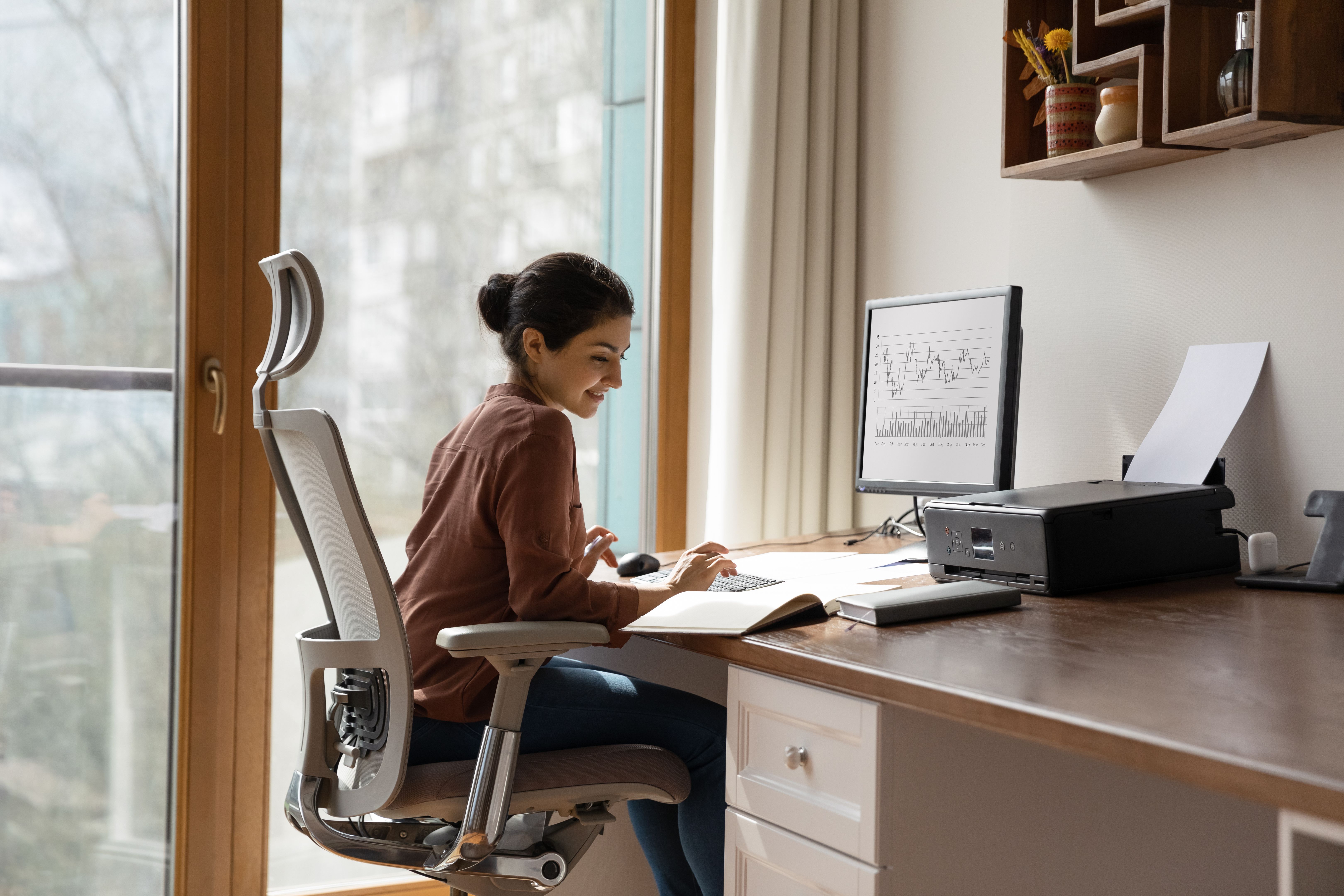
Lighting plays a crucial role in maintaining productivity. Ideally, your home office should have a mix of natural and artificial lighting. Position your desk near a window to take advantage of natural light, which can boost mood and focus. However, be mindful of glare on computer screens.
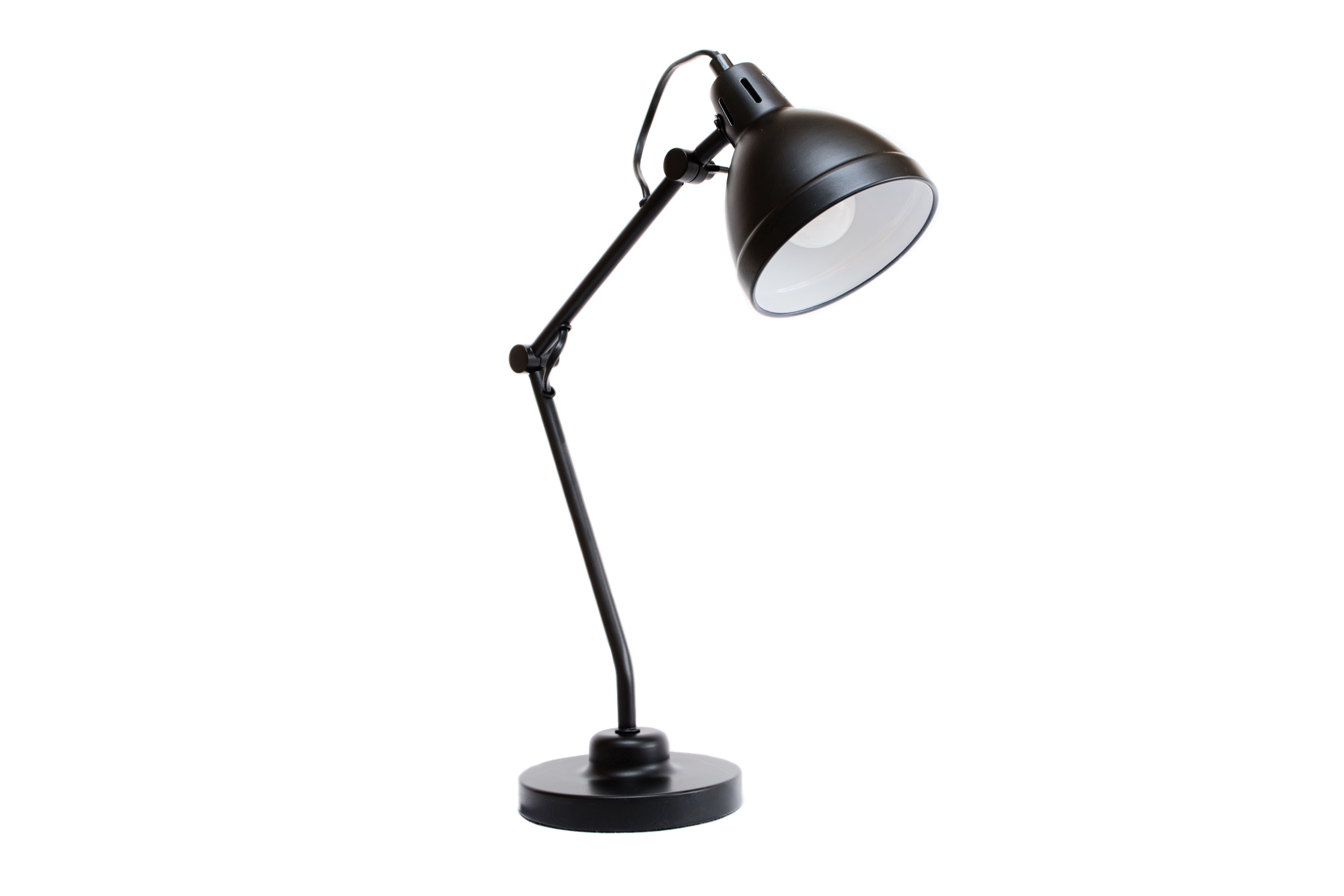
For artificial lighting, invest in a good desk lamp with adjustable brightness. Recessed lighting or floor lamps can also be added to illuminate the entire space evenly. Proper lighting is essential to prevent eye strain and maintain a comfortable working environment.
Personalizing Your Workspace
Personal touches can transform a standard workspace into a motivating and inspiring environment. Consider adding elements such as artwork, plants, or motivational quotes that resonate with you. These additions can enhance your mood and personalize your office.
Plants, in particular, have been shown to improve air quality and increase productivity. Choose low-maintenance varieties if you're not confident in your plant care skills. Personalization is about creating a space where you feel comfortable and focused.
Incorporating Technology
In today's digital age, incorporating the right technology is vital for a productive home office. Ensure you have a reliable internet connection and necessary devices like a computer, printer, and any specialized equipment relevant to your work.
Cable management solutions can help keep your workspace tidy and prevent clutter. Additionally, consider investing in noise-canceling headphones or a good speaker system to manage audio needs efficiently.

Establishing Boundaries
Creating a productive home office also means setting boundaries. If you share your home with others, clearly communicate your work hours and the importance of minimizing interruptions. Use physical barriers like room dividers if necessary to separate your workspace from living areas.
Establishing a routine and sticking to it can also help maintain work-life balance. Take regular breaks, and avoid working beyond your designated hours to prevent burnout.
Regular Maintenance and Updates
Your home office should be dynamic, adapting to your evolving work needs. Regularly assess your setup and make necessary updates. This could mean rearranging furniture, upgrading technology, or even changing decor to keep the environment fresh and conducive to productivity.
Periodic decluttering can also ensure that your workspace remains organized and efficient. A well-maintained office is key to sustaining long-term productivity and comfort.